
.svg)
Shopify B2B Explained: Wholesale Features, Pricing and Setup 2026

Published
June 26, 2026
.svg)
TL;DR: Shopify B2B is a native suite of wholesale features: company profiles, custom catalogs, volume pricing, and payment terms. Built into Shopify so you can sell to business buyers from the same store you use for retail. Basic tools are available on all plans. The full feature set (unlimited catalogs, dedicated B2B storefront, checkout extensibility) requires Shopify Plus. Merchants using Shopify B2B see up to 4.1x higher reorder frequency than DTC channels.
Wholesale used to mean a second platform, a messy spreadsheet, or a Frankenstein of discount codes and customer tags. Shopify changed that. Over the last few years the platform built a genuine B2B layer: one that lets you manage wholesale buyers, custom pricing, and trade payment terms from the same admin you use for your direct-to-consumer store.
This guide covers what Shopify B2B actually includes, what it costs, which plan you need, when third-party wholesale apps make more sense, and what a well-built B2B setup looks like in practice.
Shopify is both. It was built as a B2C platform, but it now has a fully developed B2B capability that runs alongside your retail channel, or independently on a separate storefront if you prefer a clean split.
The distinction matters because B2B and B2C buying are genuinely different experiences. A retail customer picks a product, enters a card number, and checks out in minutes. A B2B buyer comes with a company purchase order, needs invoice payment terms, expects negotiated pricing, and often has multiple stakeholders approving the transaction. Shopify's enterprise research puts the average B2B buying group at 11 decision-makers, and all 11 need to see the right price before the order goes through.
Shopify B2B is the feature set that handles that context. It keeps your B2C storefront intact while giving business buyers a separate, authenticated experience with their own prices, products, and payment rules.
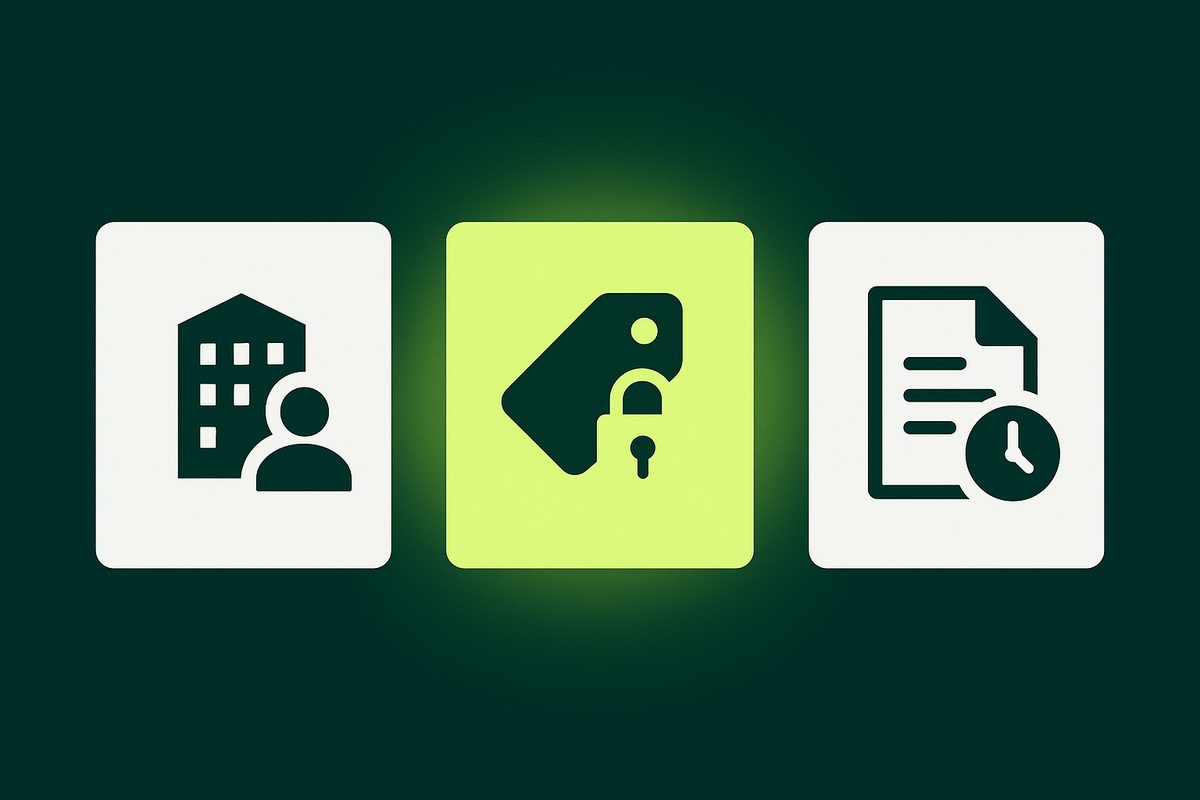
Three concepts form the foundation: company profiles, catalogs, and payment terms.
Company profiles replace the old approach of tagging customers manually. Each wholesale buyer gets a company record in your Shopify admin, with company name, primary contacts, billing and shipping locations, and the catalog assigned to them. One company can have multiple locations, which matters if you're supplying a retailer with stores in different cities.
Catalogs control what B2B buyers see and what they pay. You build a catalog, populate it with the products that apply to a buyer segment, set the pricing rules, and assign it to specific companies. When a buyer logs in, they only see their catalog; your retail pricing is never visible to them.
Payment terms are where Shopify B2B earns its keep for high-volume wholesale brands. Net 30, Net 60, and Net 90 terms can be assigned per company. Buyers can use vaulted credit cards for frictionless reorders. Deposit and partial payment workflows let you collect 50% upfront on large orders before fulfilment begins. That last capability is genuinely hard to replicate cleanly with third-party apps.
There's also a self-service buyer portal built in. Wholesale accounts can log in, browse their catalog, place orders, view order history, and pay outstanding invoices without contacting your team. For brands handling 20, 50, or 200 trade accounts, that reduction in manual processing saves real hours every week.
Shopify made a significant move in 2025 by extending core B2B features to standard plans. You no longer need Shopify Plus to run a wholesale channel; Plus still unlocks the advanced tier.
On Basic, Grow, and Advanced plans, you get:
Shopify Plus (starting around $2,300/month) adds:
For most brands starting a wholesale channel or managing a manageable number of buyer tiers, 3 catalogs is workable. You might have a standard trade tier, a volume distributor tier, and a key accounts tier, and that fits on a standard plan. But if you're managing dozens of distinct buyer segments, each with custom pricing, Plus becomes necessary.
The $2,300/month entry point for Plus is a real threshold question. Brands doing under roughly $5 million in annual wholesale revenue often find that third-party apps close the feature gap at a fraction of the cost.
The app ecosystem for Shopify wholesale is mature. Tools like SparkLayer, Wholesale Helper, and B2B Ninja handle core wholesale workflows on standard Shopify plans, typically at $10 to $50 per month, a small fraction of what Plus costs.
For the main B2B requirements (tag-based pricing, buyer login gating, tiered discounts, order minimums, and Net payment terms), third-party apps cover the vast majority of what you need without requiring Plus. Independent comparisons suggest apps deliver 90 to 95% of native B2B functionality for most common wholesale operations.
The gaps appear at scale and complexity. Third-party apps tend to fall short when you need:
There's a practical rule of thumb here. Below $5 million in wholesale revenue per year, the app route is almost always the better financial call at $30 to $100/month for a full-featured wholesale setup versus $2,300+/month for Plus. Above that threshold, particularly if you're running a dedicated sales team and need a polished buyer portal, Shopify Plus starts earning its cost through efficiency gains and reduced manual overhead.
A hybrid approach works well for growing brands: start on a standard plan with a solid wholesale app, build your catalog structure and buyer base, and migrate to Plus when catalog management or checkout customization becomes the bottleneck.
The business case for building a proper B2B setup isn't just about features. It's about what happens to buyer behaviour once the friction disappears. Shopify's data shows merchants using native B2B features see up to a 4.1x increase in reorder frequency compared to DTC orders. That makes sense. When a wholesale buyer has to email your team for a price list, wait for a quote, and then send a purchase order, the reorder cycle slows down. When they log into a portal, see their prices, and place a repeat order in two minutes, they order more often.
The wider market context supports the urgency here. Global B2B ecommerce GMV hit $28.1 trillion in 2024, up 14.8% year over year. Buyers in that market increasingly expect digital-first purchasing: a self-service portal, real-time inventory visibility, and checkout without a phone call. Wholesale channels that still run on manual processes are competing against buyers' expectations shaped by platforms that have already invested in the digital experience.
Getting Shopify B2B right is a build, not a configuration. The common mistake is treating it like a feature you switch on. Here's what a well-executed setup looks like:
A clean setup, with proper planning, takes 2 to 4 weeks. Without it, expect 2 to 4 months of rework.
At Developios, we've built Shopify B2B setups for brands managing a handful of wholesale accounts and for brands running hundreds of buyers across multiple regions. The constant across all of them: the work that determines success happens before the build starts.
We map buyer segments, design catalog architectures, and plan the payment term logic before writing a line of code. We've seen enough rushed B2B setups to know exactly where they break. It's always in the structure, not the execution. Across 150+ projects delivered, our clients see 98% satisfaction because we engineer the infrastructure before we build the store.
If you're planning to add a wholesale channel to Shopify, migrating from an old platform, or trying to fix a B2B setup that isn't scaling, talk to us. We'll audit what you have and show you the fastest path to a wholesale operation that actually converts.
Also worth reading: our guide on AI search optimization covers how to get your B2B product and category pages cited in AI-powered search results, increasingly the first place business buyers start their vendor research. If you're already exploring GEO for ecommerce, our piece on GEO for ecommerce is a natural next read.
Shopify handles both. It started as a B2C platform and has built a full B2B layer on top. You can run B2B and B2C from the same store, where business buyers log in to see their custom pricing and catalogs, while retail customers see standard prices. Shopify Plus also lets you run an entirely separate B2B storefront on its own domain if you want a completely distinct trade experience.
No. Core B2B features including company profiles, up to 3 custom catalogs, volume pricing, payment terms, and vaulted credit cards are available on Basic, Grow, and Advanced plans. Shopify Plus is required for unlimited catalogs, a dedicated B2B storefront, checkout customization via Shopify Functions, and advanced deposit workflows. Brands under roughly $5M in annual wholesale revenue can often get everything they need without Plus.
A catalog is a custom product and pricing view assigned to specific B2B buyers or companies. When a wholesale buyer logs in, they only see the products in their catalog and pay the prices you've set for their tier; retail pricing stays hidden. Each catalog can include volume discounts, quantity rules, and product visibility controls. Standard plans support up to 3 catalogs; Shopify Plus supports unlimited catalogs.
B2B buyers purchase in bulk, expect negotiated pricing, pay on invoice terms rather than instantly, and reorder on a predictable schedule. B2C buyers pay listed prices, check out immediately, and browse more impulsively. Shopify B2B is designed specifically for the B2B buying context: company accounts, custom catalogs, payment terms, and self-service order management, none of which are standard in a B2C storefront configuration.
For brands on standard Shopify plans, SparkLayer, Wholesale Helper, and B2B Ninja are widely used and cover the majority of wholesale requirements. SparkLayer builds a dedicated B2B ordering layer on top of your existing store. Wholesale Helper focuses on tiered pricing and customer tagging. For Shopify Plus merchants with complex requirements, native B2B features combined with custom development typically outperform any single app.
With proper planning upfront (buyer segmentation, catalog architecture, and payment term logic), a clean build takes 2 to 4 weeks. Projects that skip the planning phase and jump straight into configuration typically take 2 to 4 months to stabilize. The catalog structure and buyer segmentation decisions made at the start determine how much rework happens later, so getting them right first pays dividends across every step that follows.
Ready to build a wholesale channel on Shopify that actually converts? Get a free Website Audit from Developios and we'll review your current setup and show you exactly where B2B revenue is being left on the table.
18 Meriden grove Bolton BL6 4RQ
.svg)
.svg)
C-Block, Citi Housing Jhelum, 49600
.svg)
.svg)
.svg)
.webp)
